
 Cart is empty
 If you’ve recently searched for RAM upgrades or planned to buy a new laptop, PC, or gaming system, you’ve probably noticed one thing—RAM prices have increased dramatically in 2026.
Whether it’s DDR4, DDR5, or laptop memory, prices have risen much faster than many buyers expected. But why did this happen?
The answer isn’t a single reason. It’s the result of AI demand, limited manufacturing capacity, supply chain priorities, and the structure of the global memory industry.
In this article, we’ll explain the major reasons behind the 2026 RAM price surge in simple language.
What Is RAM?
RAM (Random Access Memory) is your computer’s short-term memory. It temporarily stores the data your CPU needs while running applications.
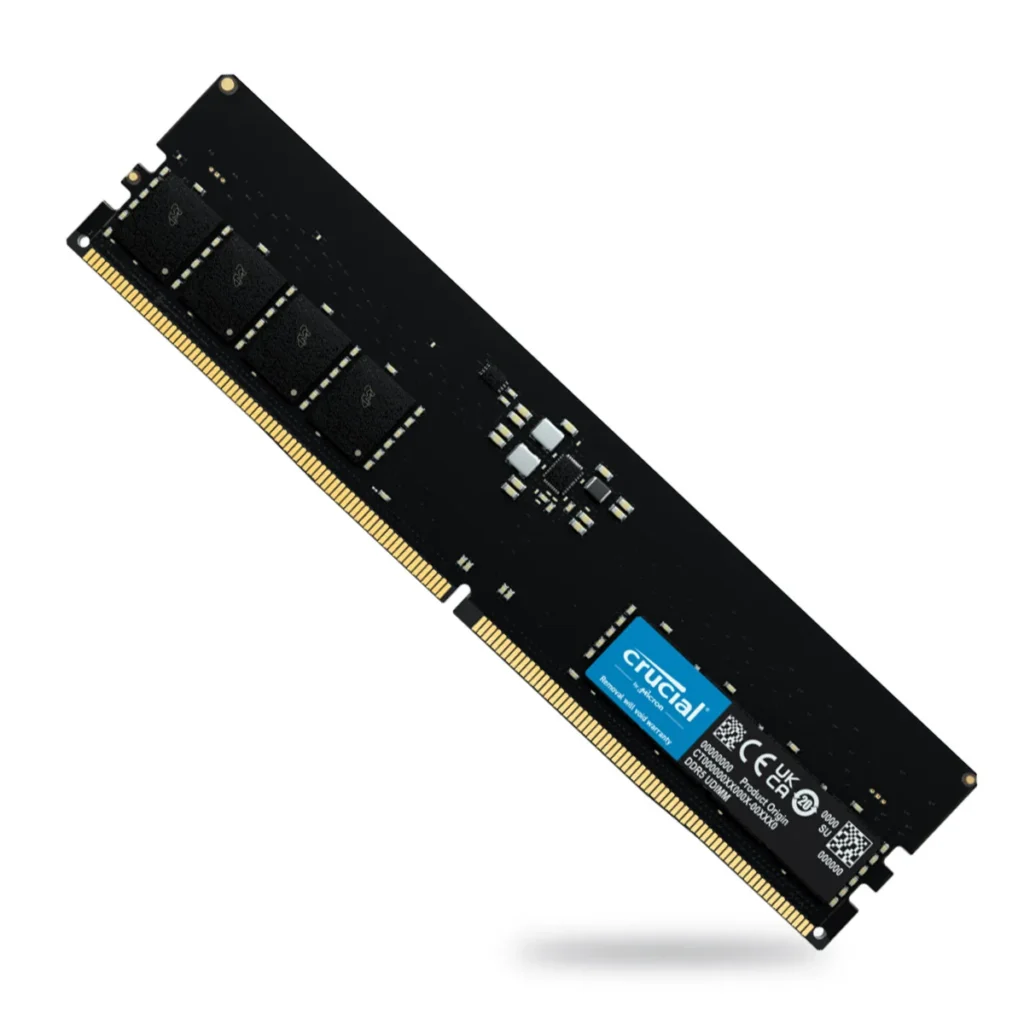
More RAM means:
- Faster multitasking
- Better gaming performance
- Smoother video editing
- Improved productivity
Because RAM is essential in almost every electronic device, even a small shortage can affect millions of products worldwide.
Why Did RAM Prices Suddenly Increase in 2026?
Here are the biggest reasons.
1. AI Created Massive Demand for Memory
The biggest reason behind the price increase is Artificial Intelligence (AI).
Companies like OpenAI, Google, Microsoft, Meta, Amazon, and other cloud providers are building enormous AI data centers. These servers require vast amounts of memory to train and run AI models.
Instead of ordering thousands of RAM modules, these companies purchase millions of DRAM chips, consuming a huge share of global production. Manufacturers have increasingly prioritized these high-value customers, leaving less supply for consumer products like PCs and laptops.
2. Memory Manufacturers Shifted Production
Memory companies don’t manufacture only one type of RAM.
Leading manufacturers started allocating more production capacity to High Bandwidth Memory (HBM) used in AI servers because it generates higher profits than standard desktop and laptop memory.
As a result:
- Less DDR4 production
- Limited DDR5 availability
- Higher consumer RAM prices
This shift reduced the supply available for regular PC users.
3. Only Three Companies Dominate the Market
The global DRAM market is largely controlled by:
- Samsung Electronics
- SK hynix
- Micron Technology
Because only a few companies produce most of the world’s DRAM, any increase in demand or shift in production has a significant impact on global prices. Apple has also noted that this concentrated supplier base is contributing to higher memory costs.
4. Building New Memory Factories Takes Years
You might wonder:
“Why don’t manufacturers just produce more RAM?”
Unfortunately, it’s not that simple.
Building a semiconductor fabrication plant (fab):
- Costs billions of dollars
- Takes several years to complete
- Requires highly specialized equipment
Even though companies are expanding production, analysts expect supply to remain tight for some time because new factories cannot come online overnight.
5. Laptop and Smartphone Demand Also Increased
Modern devices now require more memory than ever before.
Today’s laptops commonly ship with:
- 16GB RAM
- 32GB RAM
- AI-enabled features
- Faster DDR5 memory
Similarly, smartphones are launching with:
- 8GB RAM
- 12GB RAM
- 16GB RAM
Higher memory requirements across millions of devices further increase demand.
6. DDR5 Transition Increased Costs
The industry is gradually moving from DDR4 to DDR5.
During this transition:
- Manufacturers reduce DDR4 production.
- DDR5 manufacturing is still scaling.
- Supply of both memory types becomes tighter.
This temporary imbalance contributed to higher prices across the market.
7. Supply Could Not Keep Up With Demand
The classic rule of economics applies:
High Demand + Limited Supply = Higher Prices
With AI companies buying enormous quantities of memory and manufacturers prioritizing enterprise customers, consumers faced reduced availability and rising prices.
How Does This Affect Consumers?
Higher RAM prices don’t just affect people upgrading their PCs.
The impact includes:
- More expensive laptops
- Higher desktop PC prices
- Costlier gaming computers
- Increased smartphone prices
- Higher workstation costs
Memory has become a much larger portion of the total cost of many electronics than it was just a year earlier.
Should You Buy RAM Now or Wait?
If you urgently need more memory for:
- Video editing
- Gaming
- Software development
- College or office work
it’s usually better to buy when you need it rather than delaying indefinitely.
However, if your upgrade isn’t urgent, you may want to monitor prices over the coming months. Some analysts expect price increases to slow as consumer demand softens, although AI demand is still expected to keep memory costs elevated.
Final Thoughts
The sudden rise in RAM prices during 2026 wasn’t caused by a single event. Instead, it resulted from several factors working together:
- Explosive AI infrastructure growth
- Manufacturers prioritizing AI memory
- Limited DRAM suppliers
- Slow expansion of manufacturing capacity
- Transition from DDR4 to DDR5
- Strong demand from laptops, smartphones, and data centers
Until additional production capacity comes online and supply better matches demand, RAM prices may remain higher than consumers were accustomed to in previous years.

Add a Comment